
Nuisance Insects: When “Harmless” Becomes a Problem
Many nuisance insects don’t bite or sting, but that doesn’t mean they’re welcome. In Alabama, seasonal changes, humidity, and structural gaps allow these insects to invade homes in large numbers, often repeatedly.
This page helps you identify the nuisance insect you’re seeing, understand why it’s entering your home, and learn how we address the issue at the source, not just temporarily.
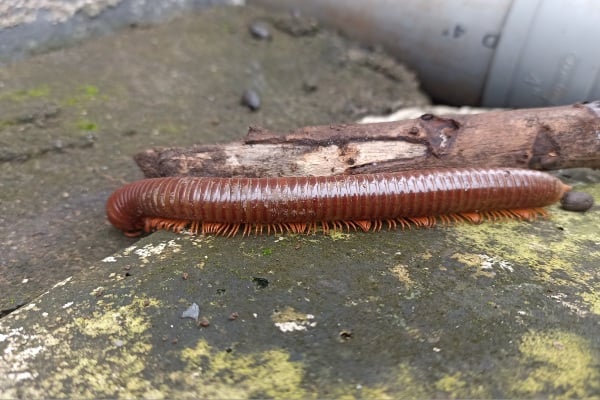
Millipedes
Class Diplopoda
TYPICAL HABITAT
Moist environments such as mulch beds, crawlspaces, and damp soil.
WHY THEY’RE A PROBLEM
Heavy rainfall and moisture force them indoors, where they quickly die and accumulate.
TREATMENT APPROACH
Moisture reduction, habitat modification, and exterior perimeter control.
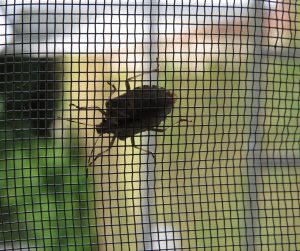
Stink Bugs
Halyomorpha halys
TYPICAL HABITAT
Primarily outdoor insects that feed on plants and trees. They invade structures in the fall seeking shelter.
WHY THEY’RE A PROBLEM
They release a strong odor when crushed and can appear in large numbers indoors.
TREATMENT APPROACH
Effective control focuses on exclusion, sealing entry points, exterior treatments, and seasonal prevention, not indoor spraying.
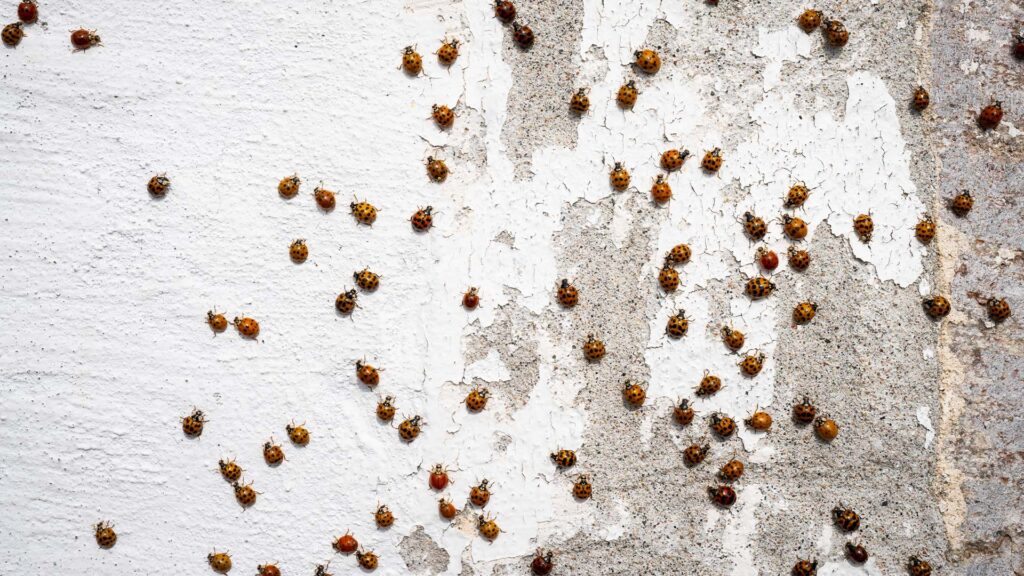
Asian Lady Beetles
Harmonia axyridis
TYPICAL HABITAT
Outdoor beneficial insect that invades homes during cooler months to overwinter.
WHY THEY’RE A PROBLEM
They bite, stain surfaces, and cluster heavily around windows and ceilings.
TREATMENT APPROACH
Exterior-focused prevention, crack and crevice sealing, and vacuum-based removal; spraying indoors is ineffective.
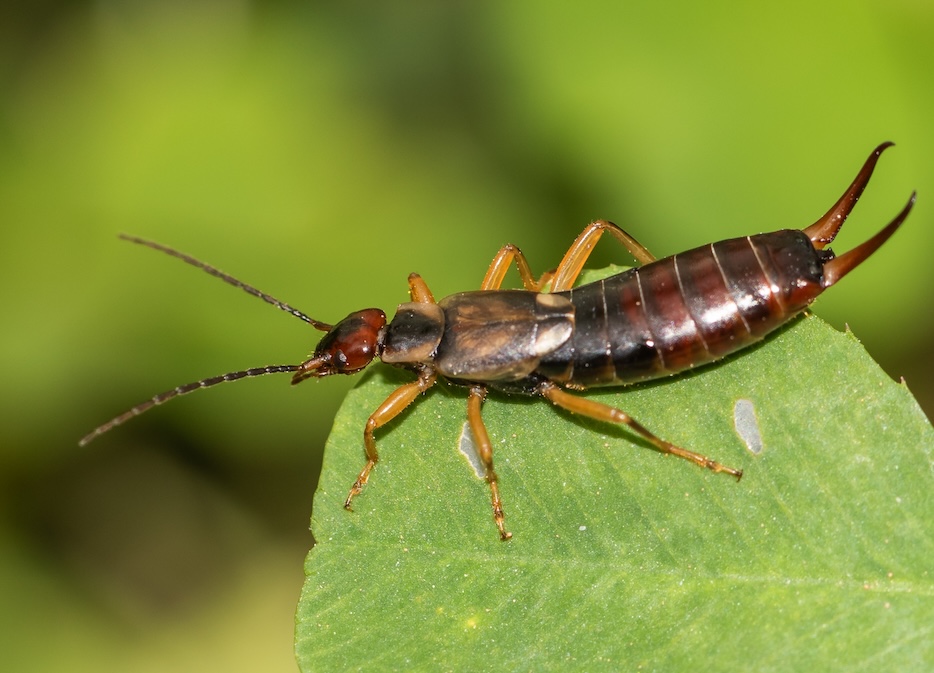
Earwigs
Forficula auricularia
TYPICAL HABITAT
Moist soil, mulch, and organic debris.
WHY THEY’RE A PROBLEM
Startling appearance; common in bathrooms and kitchens.
TREATMENT APPROACH
Moisture management, mulch correction, and targeted perimeter treatments.
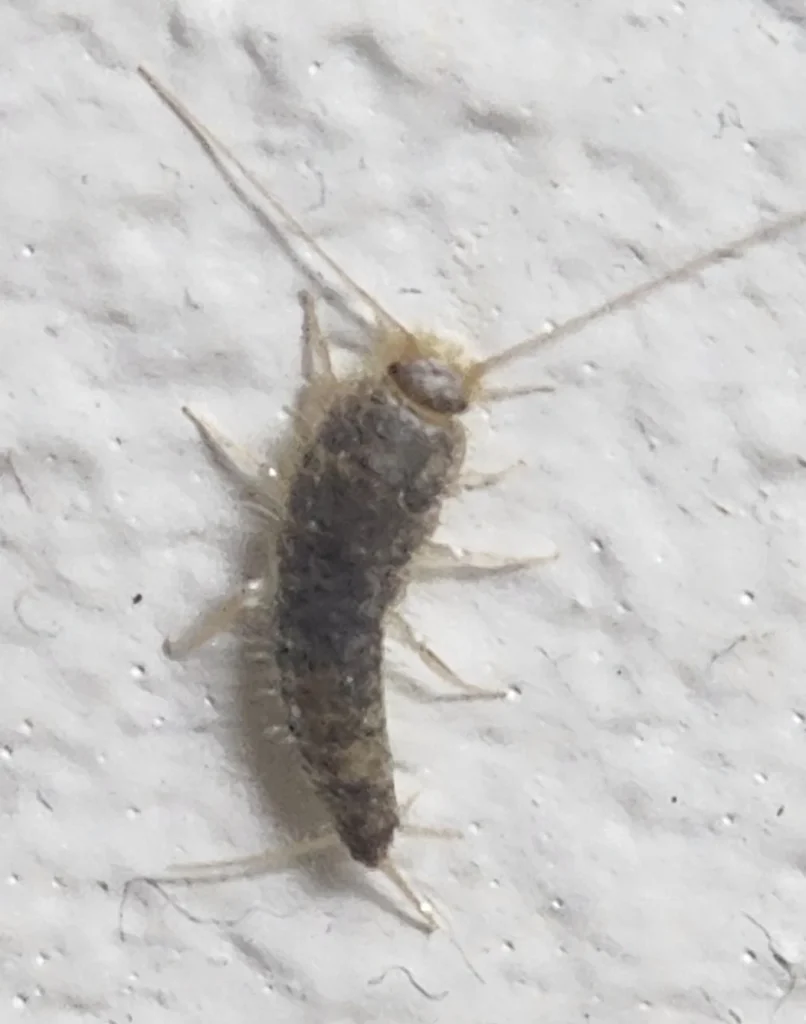
Silverfish
Lepisma saccharinum
TYPICAL HABITAT
Dark, humid environments such as bathrooms, closets, and storage areas.
WHY THEY’RE A PROBLEM
Damage paper, clothing, and stored items over time.
TREATMENT APPROACH
Humidity reduction, void treatments, and long-term monitoring.
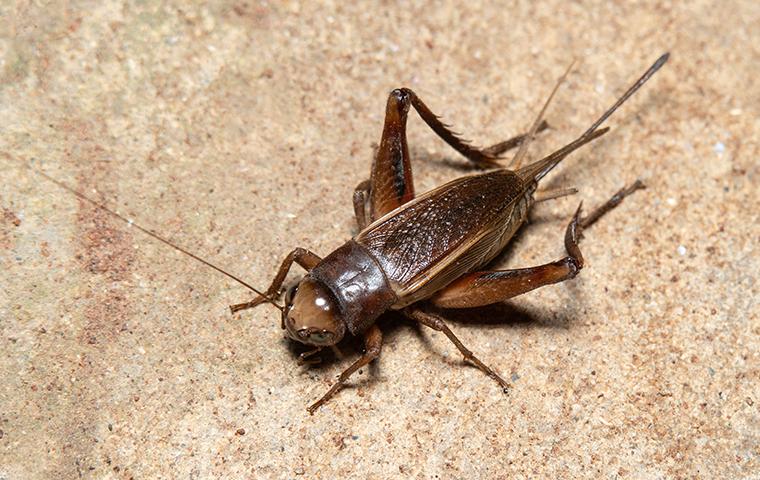
Crickets
Gryllus spp.
TYPICAL HABITAT
Outdoor insects attracted to light, warmth, and moisture.
WHY THEY’RE A PROBLEM
Noise, fecal spotting, and damage to fabrics and paper products.
TREATMENT APPROACH
Exterior lighting adjustments, entry-point exclusion, and perimeter treatments.
The Canopy Approach to Nuisance Insects
Nuisance insects are rarely a sign of a dirty home; they’re a sign of seasonal pressure, moisture, or access points. Spraying inside may give short-term relief, but it doesn’t stop the cycle.
Our focus is on:
- Correct identification
- Exterior-first prevention
- Structural exclusion
- Long-term control
If insects keep coming back, there’s a reason and we’re here to find it.